Are modern buildings really all that “smart”?
Everywhere you look, new buildings promise the full “smart” experience. Developers highlight app-controlled features, voice-activated gadgets, and sleek automation running quietly in the background. You’re sold the idea of a building where everything connects but what’s often missing from the glossy promises is any mention of how all this actually depends on something far more basic: a strong, reliable mobile signal. Without it, the smartest systems can fail at the first hurdle.
What Fails When There’s No Signal?
When indoor mobile coverage is patchy, these common systems and day-to-day needs can run into problems:
GSM-based door entry and access control systems
- Residents and staff can’t unlock main doors or gates using their phones, making it difficult to get in or let visitors through. Sometimes, even creating or cancelling access rights is impossible without signal.
Parcel delivery notifications
- Couriers often need to call or message you for access. Without signal, deliveries can be missed or left outside, causing frustration and missed packages.
Lift (elevator) emergency phones and alarms
- Many lifts are equipped with emergency call buttons that rely on a mobile network SIM. If there’s no signal, passengers could be trapped with no way to reach help.
Intruder and fire alarm panels
- Some modern alarm systems send alerts and maintenance updates to remote monitoring centres using mobile data. A weak signal can mean these vital safety messages never get out.
Smart heating and home controls
- Remote control of heating, lighting, and other systems via apps can stop working if there’s no mobile signal within the building, defeating the point of the tech.
Work and business calls
- Office staff struggle to receive or make calls, particularly in internal offices, lower-ground floors, and car parks. Productivity suffers and clients can be lost.
Contactless visitor management
- Modern buildings often use app-based passes or QR codes for guests. Without signal, check-in systems can fail, delaying appointments and creating a poor first impression.
Maintenance and fault reporting platforms
- Many buildings now encourage residents or tenants to report issues using online portals. If there’s no signal, these notifications can remain unsent and faults unresolved.
On-site contractors and guests
- Contractors may not be able to phone site managers or receive job instructions. Visitors stranded without a working phone signal can’t get in touch with who they’re meeting.
Why Does Signal Disappear in Modern Buildings?
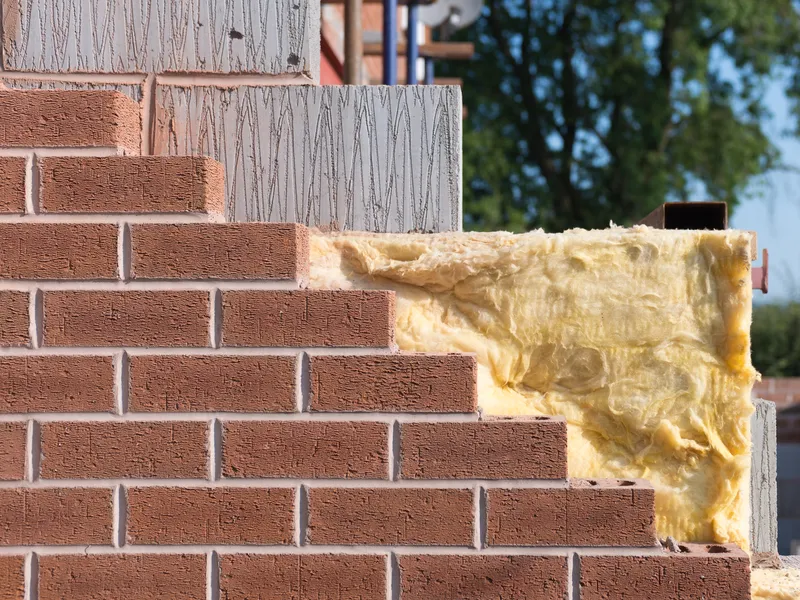
Modern building techniques have produced safer, better-insulated, and more energy-efficient spaces. However, unfortunately, materials like reinforced concrete, specialist glass, steel frameworks and advanced insulation can block mobile signal almost completely.
Let’s take a recent example: a newly completed apartment building in Hampshire. The developer had installed a GSM-based door entry system, designed so residents would eventually be able to open the main entrance using their mobiles. Before the building even opened to the public, it became clear that poor internal mobile signal meant the system simply didn’t work, no one could reliably gain access. The issue was discovered before move-in, underscoring how traditional problems can still derail the smartest-looking developments.
So many buildings, like the one in Bracknell, only confront the problem after frustrated residents or staff raise the alarm. That’s where solutions like CEL-FI mobile signal boosters come in. Our team routinely installs them in offices, hotels, and commercial spaces across the UK & Europe.
That’s why we strongly advise developers, architects, and building managers to consider mobile signal coverage right from the very start of any project. Thinking about connectivity as a core utility, rather than an afterthought, helps ensure every “smart” feature actually works, saving time, reputation and money down the line.